Mohs Surgery for Basal Cell Carcinoma
Basal cell carcinoma (BCC) is the most common form of skin cancer in the UK and is often linked to prolonged or intermittent sun exposure. While it usually grows slowly and rarely spreads, it can be locally invasive and cause noticeable tissue damage if left untreated. In high-risk or cosmetically sensitive areas, particularly the face, Mohs surgery is one of the most precise approaches for removing basal cell carcinoma, ensuring complete cancer clearance while preserving as much healthy skin as possible.
What is Basal Cell Carcinoma (BCC)?
Basal cell carcinoma (BCC) is the most common non-melanoma skin cancer worldwide. It develops in the basal cells, the lowest layer of the epidermis. Although it is usually slow-growing, BCC can cause significant local tissue damage if not treated early. Timely diagnosis and appropriate basal cell removal are key to preventing deeper invasion and achieving the best long-term outcomes.


Commonly Affected Areas
Basal cell carcinoma can occur anywhere on the body but most commonly develops in sun-exposed areas. These include the head and face, ears and neck, shoulders and back, as well as the chest and arms.
Basal skin cancers affecting sensitive regions, particularly the face and scalp, may behave more aggressively and require a higher level of precision. In these cases, precise surgery must be carefully planned to ensure complete removal of the basal cell skin cancer while preserving surrounding healthy tissue and appearance.

Why Choose Mohs Surgery for BCC?
If you have been diagnosed with basal cell carcinoma, Mohs surgery is widely regarded as the most reliable approach for complete and precise treatment.
The Gold Standard in Basal Cell Removal
Exceptional cure rates
- Mohs surgery offers cure rates of up to 99% for primary basal cell carcinoma and up to 94% for recurrent cases, making it the most effective form of BCC skin cancer removal available.
Maximum tissue preservation
- Only cancerous tissue is removed, allowing for accurate basal cell removal while preserving as much healthy skin as possible.
Minimally invasive treatment
- The procedure is performed under local anaesthetic and is usually completed in a single outpatient visit.
Ideal for facial basal cell carcinoma
- Mohs surgery is particularly effective for BCC removal on the face, including high-risk areas such as the nose, ears, eyelids, and lips, where both function and appearance are critical.
This meticulous technique allows complete cancer clearance while minimising scarring and significantly reducing the risk of recurrence.
Considering Treatment?
If you have been diagnosed with basal cell carcinoma, timely treatment is important. Booking a consultation with Dr Arif Aslam allows you to discuss your diagnosis, understand your treatment options, and determine whether Mohs surgery is the most appropriate approach for your basal cell carcinoma case. Care is provided with a clear focus on safety, precision, and long-term outcomes, with advanced Mohs surgery available in Lancashire and Greater Manchester.
Signs and symptoms
Basal cell carcinoma often develops gradually, which means early warning signs can be easy to miss. Recognising changes early allows timely assessment and, where needed, appropriate basal cell removal before more extensive treatment is required.
Because BCCs can develop slowly, early warning signs are easy to overlook. Common signs to look out for include:
A smooth, pale growth with a central dent or dimple
A small, pearly or waxy bump
A red or persistently irritated patch
A sore that scabs, heals, and then reopens
A lesion that oozes or bleeds repeatedly
If you notice any of these changes, arranging a specialist assessment is important.
Mohs Surgery Indications
Not every basal cell carcinoma (BCC) requires Mohs surgery. However, certain cases benefit significantly from this advanced form of surgery for basal skin cancer, particularly when precision and tissue preservation are essential.
Mohs surgery is commonly recommended in the following situations:
Location-based risk
- Basal cell carcinomas located in the H-zone of the face, including the nose, lips, eyelids, chin, ears, and areas around the eyes, are considered higher risk due to their proximity to vital structures and cosmetic importance.
- Lesions that develop in other high sun-exposure areas, such as the scalp, hands, and feet, may also require more precise surgical management.
Aggressive tumour subtypes
- Infiltrative basal cell carcinomas tend to spread beyond visible margins, making complete removal more challenging without specialised techniques.
- Morphoeic (morpheaform) basal cell carcinomas often grow with ill-defined borders, increasing the risk of incomplete treatment if not carefully managed.
- Basosquamous carcinomas can behave more aggressively than typical BCCs and may require meticulous surgical clearance.
Recurring tumours:
- Basal cell carcinomas that return after previous treatment or incomplete basal cell skin cancer removal often require Mohs surgery to ensure full clearance and reduce the risk of further recurrence.
When a lesion falls into any of these categories, Mohs surgery allows for highly precise BCC skin cancer removal, ensuring complete tumour clearance while preserving as much healthy tissue as possible - an important consideration for facial areas.
Download info on Basal Cell CarcinomaRisk Factors, Complications and Prevention
Category |
Details |
Risk Factors |
|
Complications |
|
Prevention |
|
Identifying risks early and taking appropriate action supports better outcomes and often allows for simpler, more precise treatment.
Concerned About a Suspicious Spot?
If you have noticed a skin change that concerns you, seeking specialist advice promptly is important. Dr Arif Aslam, a leading UK skin cancer specialist, offers timely assessments and same-week appointments for urgent cases. Where appropriate, advanced Mohs surgery is available in both Lancashire and Greater Manchester to ensure precise and effective treatment.
Why Patients Choose Dr Arif Aslam
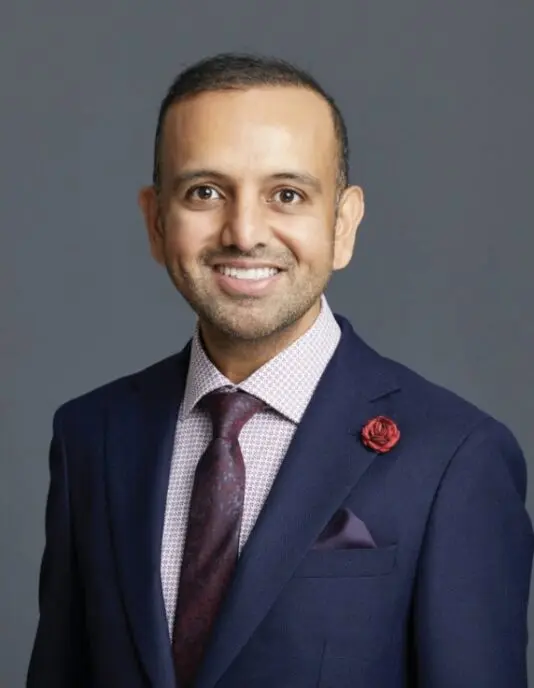

Patient care and cutting-edge treatments are paramount to my work as a Consultant Dermatologist. I’m always striving for the best outcomes for every patient.
Dermatological Surgeon and Mohs Micrographic Surgeon, Honorary Senior Lecturer
MBChB, MRCP (UK), MRCGP, MRCP (Derm), FRACP, FACD, FACMS
Patients value an approach that combines specialist skill with a genuinely supportive experience. Dr Aslam’s focus on early diagnosis, precision-based procedures, and natural-looking reconstruction ensures both clinical and cosmetic outcomes are prioritised. This is particularly important for facial BCC, nasal BCC, and other forms of facial skin cancer where tissue preservation matters.
The clinic’s environment is designed to be calm and professional, with clear communication at every stage - helping patients feel reassured, informed, and in control of their care.

Ready to Take the Next Step?
If you have been diagnosed with basal cell carcinoma, receiving care from an experienced specialist can make a meaningful difference to both medical and cosmetic outcomes. Dr Arif Aslam provides expert-led Mohs surgery for basal cell carcinoma, focusing on precise cancer removal, preservation of healthy tissue, and long-term reassurance.
Mohs Surgery for Basal Cell Carcinoma – FAQs
Basal cell carcinoma is a type of non-melanoma skin cancer most commonly caused by ultraviolet (UV) exposure. It develops in the basal cells of the skin and usually grows slowly, but without treatment, it can become locally invasive. BCC is the most common form of skin cancer in the UK.
Mohs surgery offers the highest cure rates for basal cell carcinoma, with success rates of up to 99% for previously untreated cases and around 94% for recurrent tumours. It is considered the gold standard for BCC skin cancer removal, as it removes cancerous cells layer by layer while preserving healthy tissue.
Yes. Facial basal cell carcinoma often requires a more precise approach due to the cosmetic and functional importance of the face. BCC removal on the face is commonly performed using Mohs surgery to ensure complete cancer clearance while minimising scarring and tissue loss.
Basal cell carcinoma rarely spreads to other parts of the body, but it can cause significant local tissue damage if left untreated. Early intervention reduces the risk of complications. For complex, facial, or recurrent cases, Mohs surgery is often recommended for reliable basal cell skin cancer removal.
Basal cell removal depends on the size, location, and behaviour of the tumour. Mohs surgery involves removing thin layers of affected tissue and examining them immediately under a microscope until no cancer cells remain. This allows for complete treatment with maximum preservation of healthy skin.
Recovery time varies based on the size and location of the treated area. Most patients resume normal daily activities within a few days. When Mohs surgery is used for basal skin cancer surgery, scarring is usually minimal and continues to improve over time.